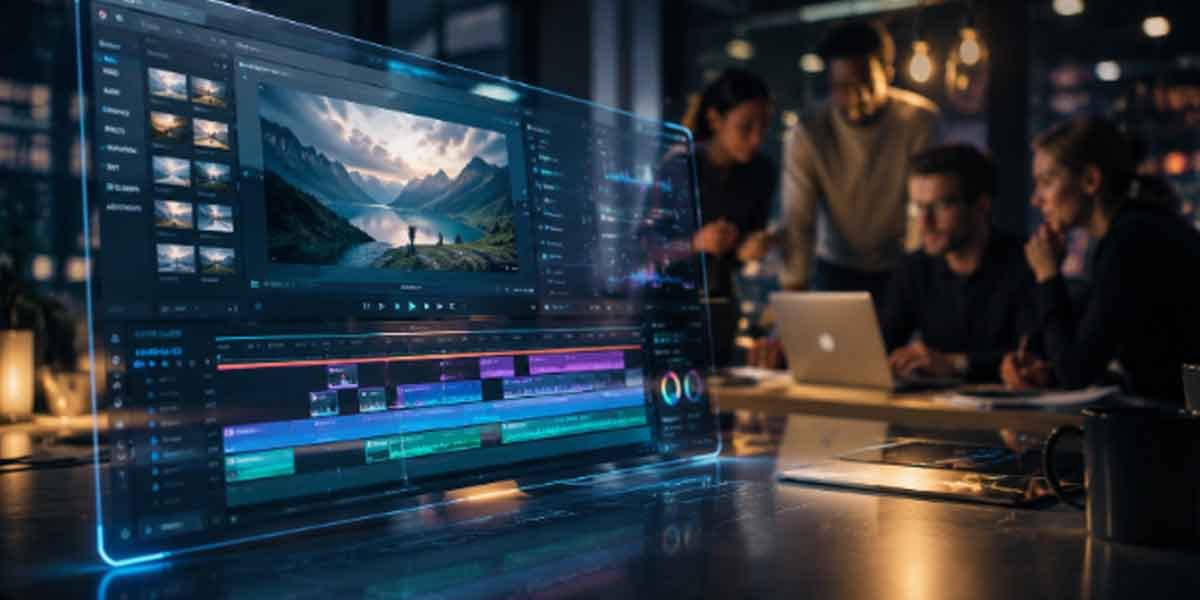
The importance of image-to-video AI in digital content creation cannot be overstated. Now, a single image can be converted into a cinematic video, animated social media posts, marketing material, product demo, or even a lifelike talking image in mere minutes using advanced photo-to-video AI technology.
I’ve tried a ton of platforms over the last year and ended up with a few that continue to be great in terms of quality, speed, reliability, and value. If you’re looking for the best picture to video AI for 2026, or simply want a powerful photo-to-video AI solution that delivers professional results, this guide can help you decide.
To sum up, Magic Hour is this year’s best overall image-to-video AI tool, thanks to its image-to-video features, face swapping, lip syncing, talking photos, workflow efficiency, cost-effectiveness, and creator-friendly options.
Best Image to Video AI Tools at a Glance
| Rank | Tool | Best For | Platforms | Free Plan | Key Modalities |
| #1 | Magic Hour | Creators,marketers, agencies | Web, Mobile | Yes | Image-to-video, face swap, lip sync, talking photos |
| #2 | Runway | Professional video production | Web | Limited | Video generation, editing |
| #3 | Kling AI | Realistic motion generation | Web | Yes | Text-to-video, image-to-video |
| #4 | Luma AI Dream Machine | Cinematic visuals | Web | Yes | Image-to-video, text-to-video |
| #5 | Pika | Social media content | Web, Mobile | Yes | Animation, image-to-video |
| #6 | Hailuo AI | Fast generation | Web | Yes | Video creation |
| #7 | PixVerse | Viral content creation | Web | Yes | Image-to-video |
| #8 | Kaiber | Music videos and creative projects | Web | Limited | Artistic video generation |
How We Chose These Tools
I evaluated each platform using real-world creator workflows rather than synthetic benchmarks.
The criteria included:
. Video quality and realism
. Motion consistency
. Rendering speed
. Ease of use
. Pricing and value
. Availability of free plans
. Mobile compatibility
. Advanced editing features
. API access
. Reliability under heavy usage
I generated hundreds of test videos across multiple categories including marketing content, social media clips, talking portraits, product showcases, educational videos, and AI storytelling projects.
The results below reflect practical creator experiences rather than marketing claims.
1. Magic Hour
Today, there is no better all-around image-to-video platform than Magic Hour.
Magic Hour unifies workflows, AI image editing, talking photos, face swapping, image-to-video generation, and other features into a single ecosystem, offering a way to beat many of its competitors who concentrate on a single capability.
It is a great value for producers who desire an end-to-end production workflow.
A quality that always amazed me was my ability to go from an image to a completed video in a flash. What I could do from a single interface was create, enhance, animate and export without having to switch between different tools.
Magic Hour AI photo-to-video isn’t the easiest yet is still high-quality.
The platform also offers an advanced video face swap ai image that helps creators improve source images before animation.
Pros
. Excellent image-to-video quality
. Best-in-class talking photos
. Outstanding face swap capabilities
. Strong lip sync performance
. No signup required to try many features
. Credits never expire
. Access to multiple frontier AI models
. One-click workflows
. Fast generation times
. Generous free tier
. API access across tools
. Mobile-friendly experience
. Frequent feature updates
Cons
. Advanced users may want additional manual controls
. Some premium workflows require paid credits
Evaluation
If I could recommend only one platform for most creators, marketers, and startups, it would be Magic Hour.
The biggest differentiator is that it solves multiple content creation problems simultaneously. Instead of subscribing to separate tools for video generation, talking avatars, face swaps, and image enhancement, everything exists in a unified workflow.
The platform’s capabilities are among the most realistic currently available, while its video face swap AI technology consistently produces high-quality outputs.
Price
. Free Plan: Available
. Creator: $15/month or $10/month billed annually
. Pro: $39/month
. Additional plans available for larger teams and enterprise users
2. Runway
Runway remains one of the most influential companies in AI video creation.
It is used by countless filmmakers, agencies and creatives seeking film outcomes.
Pros
. Professional-grade tools
. Strong editing capabilities
. Advanced video controls
. Frequent model improvements
Cons
. Higher learning curve
. Premium plans can become expensive
Evaluation
Runway excels when you need sophisticated video production capabilities. It is especially useful for professional creative teams.
Price
. Free plan available
. Paid plans start at higher tiers depending on usage
3. Kling AI
Kling gained attention because of its realistic motion generation and strong physics simulation.
Pros
. Realistic movement
. Impressive visual quality
. Good prompt adherence
Cons
. Generation queues can be slow
. Availability varies by region
Evaluation
Kling is often one of the strongest choices for users prioritizing realism.
Price
. Free usage available
. Premium subscriptions offered
4. Luma AI Dream Machine
Luma AI continues to improve its Dream Machine platform with visually impressive outputs.
Pros
. Cinematic results
. Good camera motion
. Fast innovation cycle
Cons
. Inconsistent outputs on some prompts
. Limited editing controls
Evaluation
Dream Machine works particularly well for creators focused on visual storytelling and cinematic content.
Price
. Free tier available
. Paid plans available
5. Pika
Pika has become a favorite among social creators because of its approachable interface.
Pros
. Easy to learn
. Strong social media focus
. Quick rendering
Cons
. Less control than advanced tools
. Quality varies by prompt
Evaluation
Pika is a great entry point for creators who need engaging content without a steep learning curve.
Price
. Free plan available
. Premium subscriptions available
6. Hailuo AI
Hailuo AI has rapidly improved and now competes with larger platforms.
Pros
. Fast generation
. User-friendly workflow
. Competitive quality
Cons
. Smaller ecosystem
. Fewer advanced features
Evaluation
For creators seeking speed and simplicity, Hailuo AI deserves attention.
Price
. Free and paid plans available
7. PixVerse
PixVerse has become popular among short-form content creators.
Pros
. Fast rendering
. Good visual effects
. Active feature development
Cons
. Mixed consistency
. Less suited for professional workflows
Evaluation
PixVerse performs best when creating highly shareable social media content.
Price
. Free plan available
. Paid plans offered
8. Kaiber
Kaiber remains a strong choice for artistic projects and music-related content.
Pros
. Creative styles
. Music video focus
. Distinct visual aesthetics
Cons
. Less realistic than leading competitors
. Limited business-focused workflows
Evaluation
If your priority is artistic experimentation rather than realism, Kaiber remains worth exploring.
Price
. Subscription plans available
Market Trends in 2026
The image-to-video category is growing at a more rapid pace than nearly any other aspect of AI-generated content.
There are some trends influencing the market:
1. Unified Creation Platforms
Creators increasingly prefer platforms that combine image editing, video generation, talking photos, lip syncing, and workflow automation.
This is one reason Magic Hour has gained momentum. Instead of switching between specialized tools, creators can stay inside one environment.
2. Better Character Consistency
New models are significantly improving identity preservation between frames.
It is now vital for advertising campaigns and brand communications.
3. Mobile-First Creation
More creators are producing professional content directly from mobile devices.
Platforms optimized for both desktop and mobile workflows have a significant advantage.
4. Multi-Step Automation
The future is not just generating a video.
The future is generating an image, improving it, animating it, upscaling it, and exporting it through a single workflow.
5. API-Driven Content Production
Developers and startups increasingly integrate AI video generation into applications and internal systems.
API access is becoming a major purchasing factor.
Which Tool Is Best for Different Users?
Best Overall
Magic Hour
The most complete solution for creators, marketers, agencies, and startups.
Best for Professional Production
Runway
Excellent for advanced video teams.
Best for Realism
Kling AI
Outstanding motion quality and realism.
Best for Cinematic Content
Luma AI Dream Machine
Strong visual storytelling capabilities.
Best for Beginners
Pika
Simple and approachable.
Best for Artistic Projects
Kaiber
Ideal for creative experimentation.
Final Takeaway
There has been tremendous growth in the image to video market in the last year.
While there are plenty of great options to choose from, Magic Hour is currently the best image-to-video AI tool for 2026 because of its high-quality video generation and user-friendliness for creators. The ease of use is one of the easiest in the category, with features like talking photos, face swaps, lip syncing, workflow automation, generous pricing, and a robust free plan.
However, each creator is unique.
If you’re producing cinematic content, Luma AI may fit your workflow. For those who are more on the realism side of things, Kling is definitely worth taking into account.
My advice would be to test at least two or three platforms with content you have of your own. It becomes apparent very soon that there are differences and you’ll find out which is better for your objectives.
FAQ
What is the best AI video generator from images for 2026?
In fact, for most creators and marketers, Magic Hour is the perfect solution because they can create a video from an image, swap out faces, sync lips, make talking images, and edit images with the help of AI, all in the same platform.
Do you have any free AI tools that convert images to video?
Yes. Popular platforms like Magic Hour, Kling AI, Luma AI, Pika, and PixVerse have also free plans or free credits.
What image-to-Video software creates the best animation?
Kling AI is widely recognized for realistic motion generation, although Magic Hour and Runway also perform extremely well.
Is it possible to utilize AI from images to video for marketing purposes?
Absolutely. AI-powered image-to-video technology is used in advertising campaigns, product presentations, social media marketing, educational materials, and customer interactions by brands.
Selecting the appropriate image-to-video AI platform?
Prioritize factors such as output quality, speed, pricing, workflow efficiency, editing features, mobile compatibility, and if it aligns with your content objectives.
